WELLNESS JOURNAL · 2026-11-26
What makes a fabric special? From fibres to finished garment
Understand fibres, fabric construction and fit without being a textile specialist.
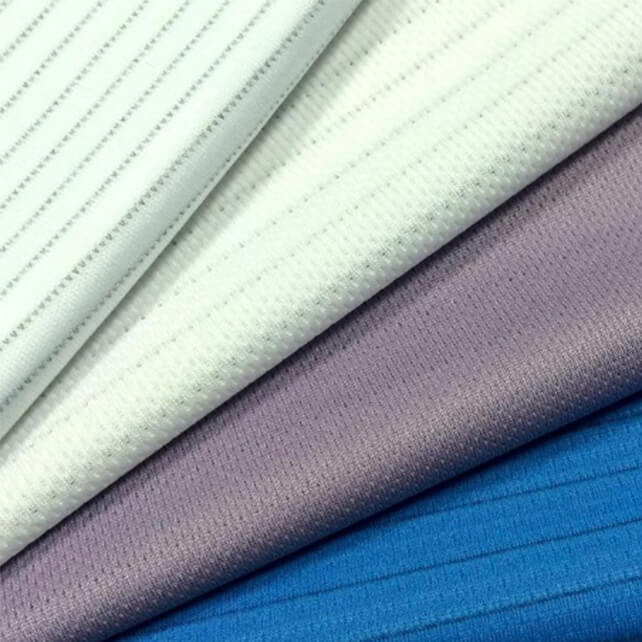
Subject illustrations from HE&ME booklets and brand sources.
Fibres are the starting point
A composition label is useful, but it does not describe the whole wearing experience. Examine thickness, stretch direction and recovery. If a model’s composition is unavailable, ask the seller to check its label rather than guessing.
A concrete example from the bra page
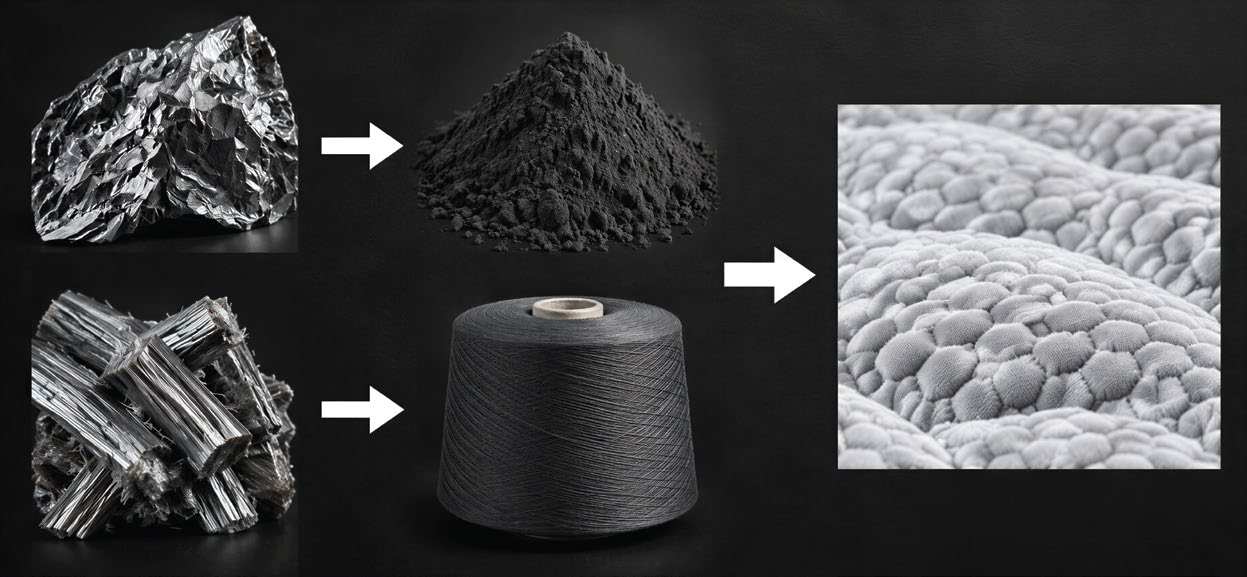
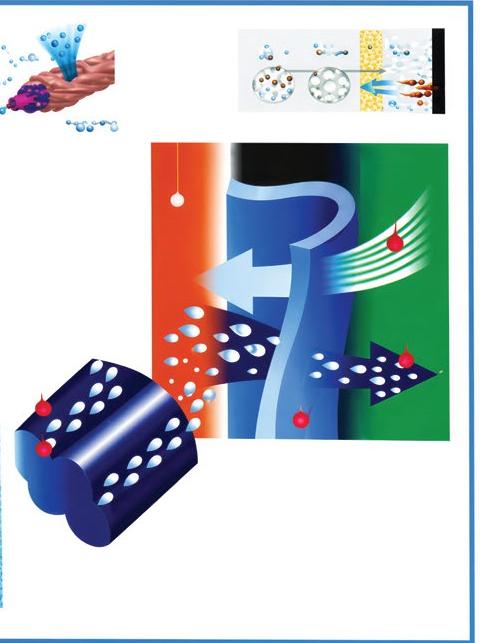
The Spectrum Bra page describes titanium–germanium alloy yarn, three-piece 3D cutting and cup support. This illustrates differences in both material and construction. It is the brand’s description for the bra, not a composition statement for every product.
Make the word special specific
Ask whether the difference is in the yarn, fabric structure, finishing or garment pattern. HE&ME bedding literature discusses fibres and three-dimensional structures; those descriptions should not automatically be applied to every garment.
Test it in everyday positions
Feel the fabric against your skin and move in several positions. For workwear, test sitting; for layering, check seams and edges under your usual clothes. These small details help you evaluate a frequently worn purchase on your own terms.
Your practical checklist
- Read the actual composition label
- Keep garment and bedding specifications separate
- Feel and move before deciding
Sources and editorial notes
- HE&ME — Spectrum Bra: วัสดุและวิธีดูแลจากหน้าสินค้า
- เล่ม Sale Book ภาษาไทย หน้า 9–14 และ Sleep well Book ภาษาไทย หน้า 7–10: ข้อมูลวัสดุและรุ่นตามเอกสารผู้ผลิต
Some topics were prompted by the supplied product booklets. Health information was checked against the sources listed; marketing material is not treated as proof of a clinical benefit.